
It's been a while since my last update, so I thought I’d share what I’ve been up to. In this case a little experiment with AI — building a soccer betting game for the World Cup using AI tools and comparing them a bit. In this case I used hermes agent, bolt.new and in the beginning a guided ai-assisted process.
Please note, that this is a personal experience and not deeply tested in different scenarios.
The Experiment Begins: Hermes agent vs. Bolt.new vs. Me
I assume my spontaneous experiment started as I wanted to challenge hermes agent a bit and so I ended up performing a little experiment, being curious to see how well it could handle programming tasks. The whole idea was to put Hermes’s “agenting” skills side by side with bolt.new and how I usually work, which is typing out code, collecting feedback, and merging inputs one step at a time.
I have to admit, at first Hermes blew me away with its incredible speed and first results. Honestly, I don’t recall which free model I used at the time, but it felt like rapid prototyping on steroids.
So my "traditional" process of a guided dialogue with a chat felt far too slow. Also the first results on bolt.new felt like a "oh no, could end up in a rabbit hole loop, cause my instructions maybe sucked".
After my first 20 minutes on AI steroids, I decided to stop the guided process and focus on the two tools. I also made my input dialogues on bolt.new way better and checked out what hermes was doing... it’s something you’ll notice with AI agents... they do a ton of stuff by themselves, so you need to sift through what they really did. Currently, speaking about June 2026, I wouldn't say everything is trustworthy and I wouldn't allow any of the agents out there to access my files and to things I always wanted to do; such as organizing my digitalized CD collection and improving the tagging.
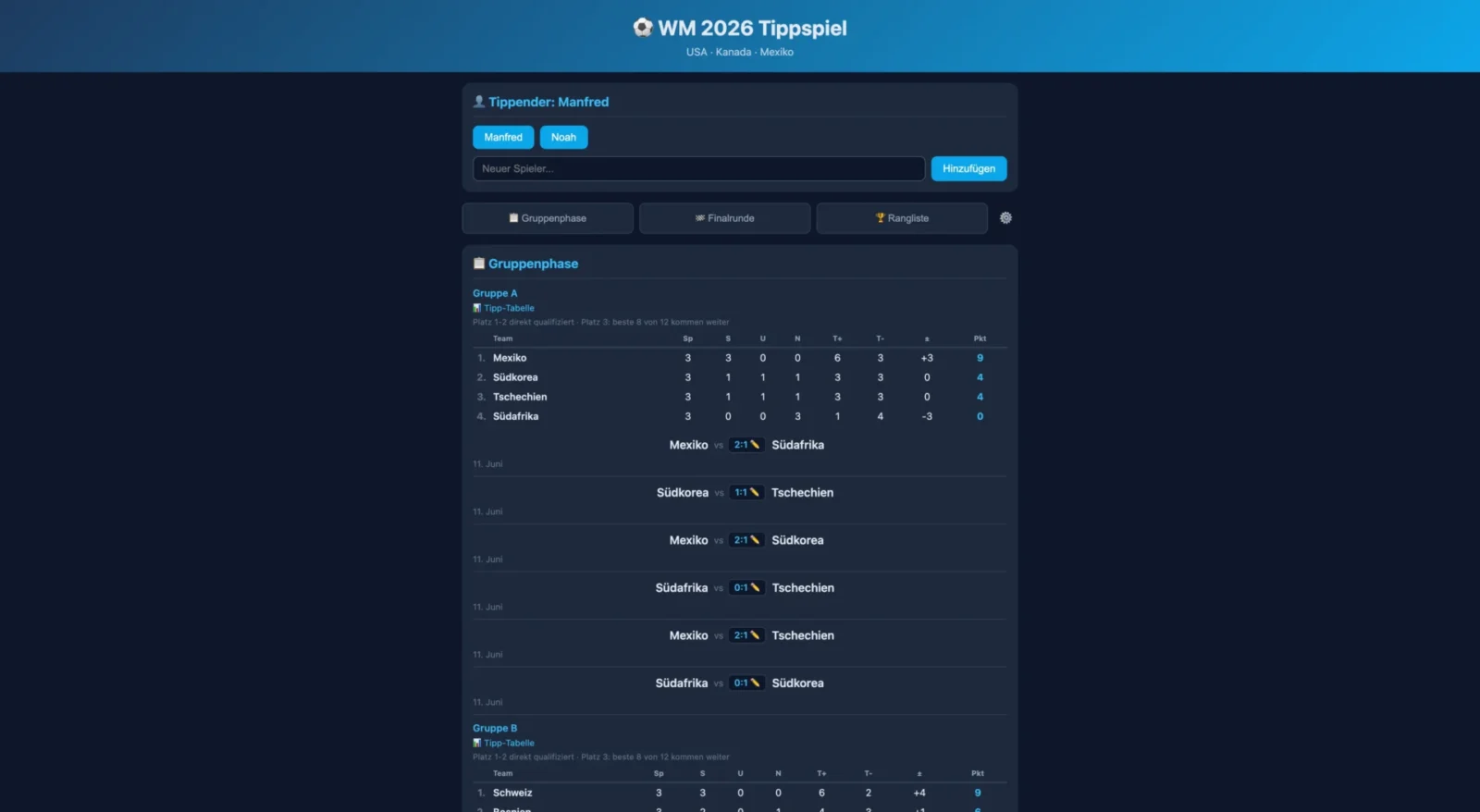
By refining my inputs on bolt.new, I have to assume that the UI-skills of bolt.new impressed me and it was more tricky to rework on that one with hermes. As agents perfom a lot by themselves, a lack of control, moved me more and more towards bolt.new.
Finding My Rhythm with Bolt.new
The more I worked with bolt.new, the more the results improved. What stood out was how bolt.new handled interface patterns — it came with solid, working UI components right away. Hermes agent didn’t quite deliver on this front, but that might have been my fault for not instructing it to use something like Material Design or any other standard UI kit.
So how long did it really take to get a basic prototype running across these tools? In this multi-setup experiment, no more than one or two hours. If I’d focused on just one platform and spent some time practicing, I’m confident it could be done in about 45 minutes. That’s insane speed for putting something real together. But don’t get me wrong — bug fixing takes a lot of patience.
What’s Under the Hood?
Bolt.new went for a setup using node.js, typescript, vite, supabase, it also applied ESLint as their quality assurance. Hermes agent (I didn't brief on technology) used SQLite and Python (FastAPI). To get the matches and scores, hermes chose OpenLigaDB-API. For hermes I researched some data-sources myself (supported by an AI-Chat). My choice was football-data.org, which provides live soccer data. So far I am happy with that solution.
Trust Takes Time: Testing Is Everything
Even with a working prototype, I couldn’t offer this betting game to clients after the first release, or at least I wouldn't have done so.
Why? Because trust wasn’t there. Being experienced in testing for more than 20 years, I know that development always needs careful testing. As AI is not a person you can build trust with over the years and identify potential weaknesses, it requires testing from the ground up.
There were too many small errors — wrong games showing up, incorrect pairings, logic flaws in scoring, and confusion over when bets could or couldn’t be placed. Testing needs definitely much more time than creating the basic prototype itself. Testing is the core of the iteration process and kind of the new key to-do, as we don't speak about 2 hours here.
Maybe this could have been a good task for an agent though, developing the app on the one end, and letting an agent perform testing tasks on the other end. But still, with this long time testing stuff, I would say, quality assurance is a core and in the future far more important.
After several days of running the game during the World Cup, I now feel confident that it works properly — at least 90% right, which is decent enough if you think in Pareto terms.
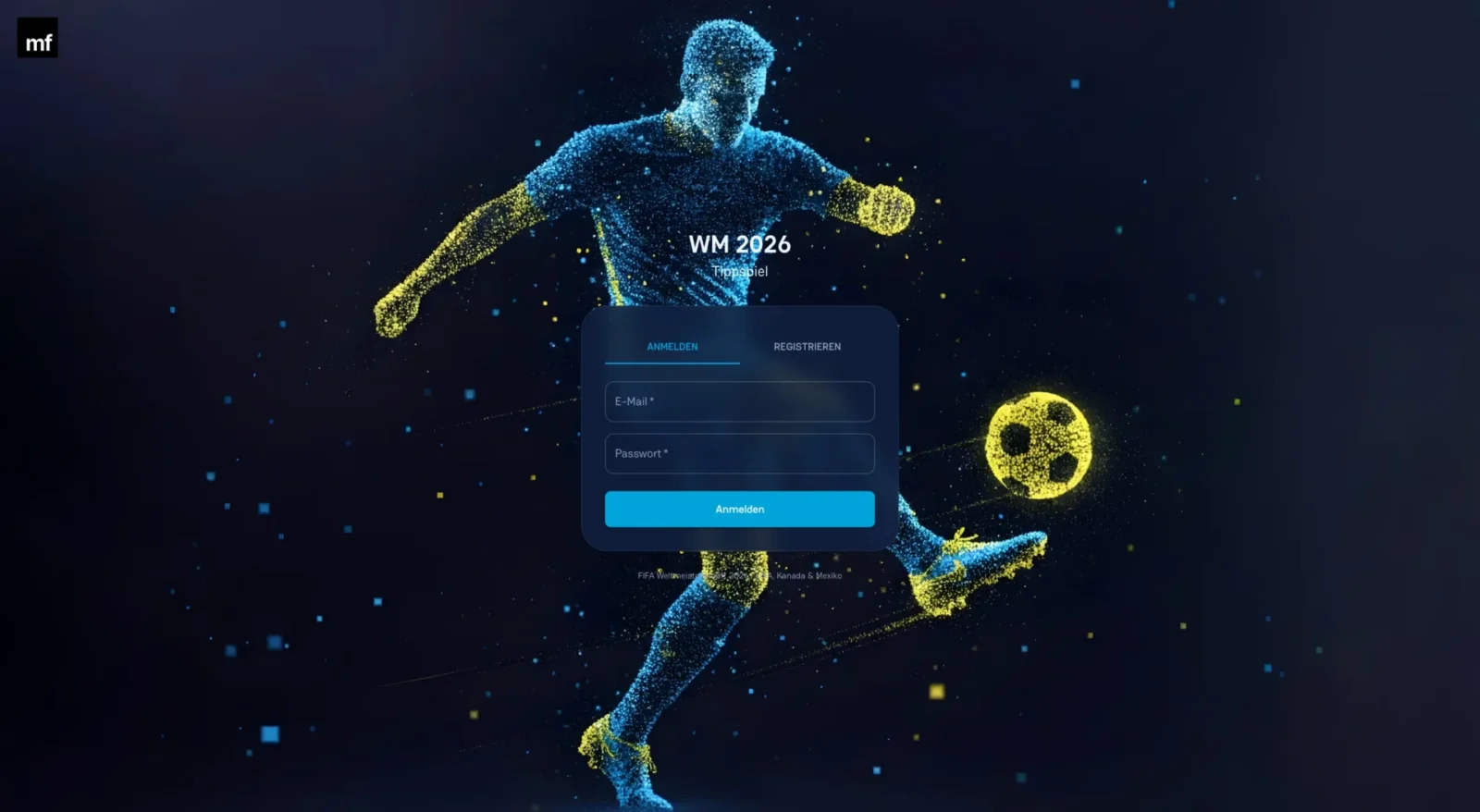
Interfaces and Infrastructure: The Other Side of the Coin
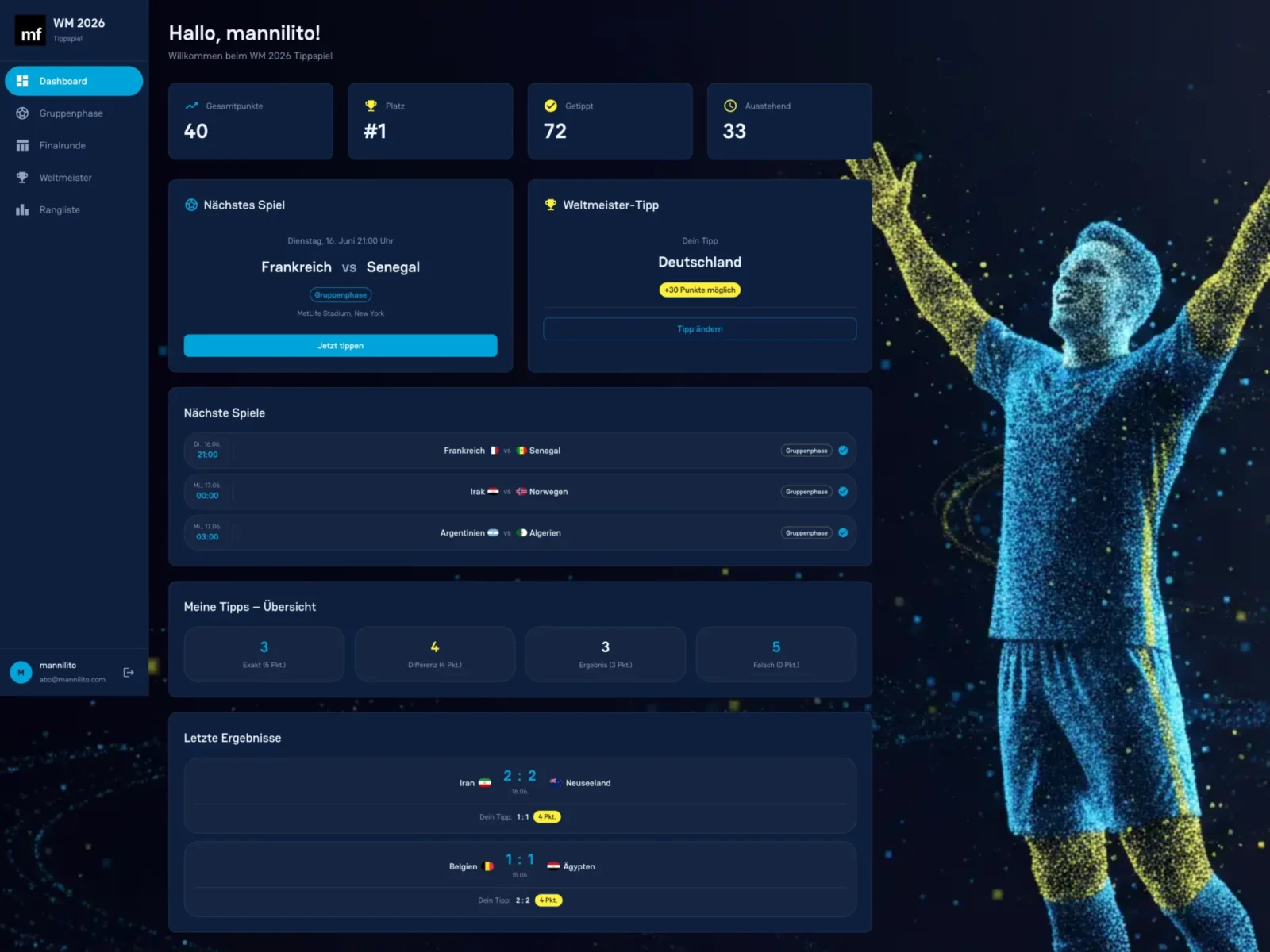
For me, modifying the interface was actually the easiest part, probably thanks to my frontend experience. It feels good now. So here you see some shots of my version. I created a own visual language based on my core branding colors, included some branding, including own font and some other small tweaks I liked 🙂
For the images I used nano-banana and a style reference I modified before myself.
Another challenge was running everything on my own server. This added a steep learning curve because I ran into unrelated server issues like dynamic DNS problems and other typical “server stuff.” But hey, this is part of our time: with some basic understanding, you can build a lot yourself without falling down endless AI chat rabbit holes. And finally, I am happy about a working version 🙂
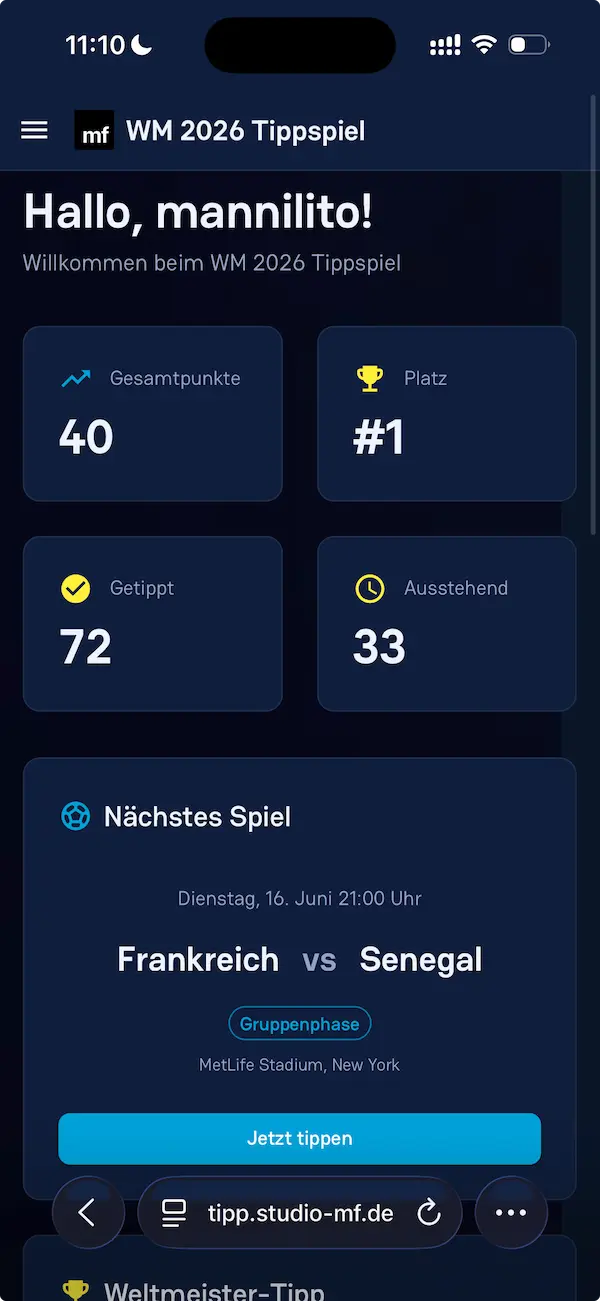
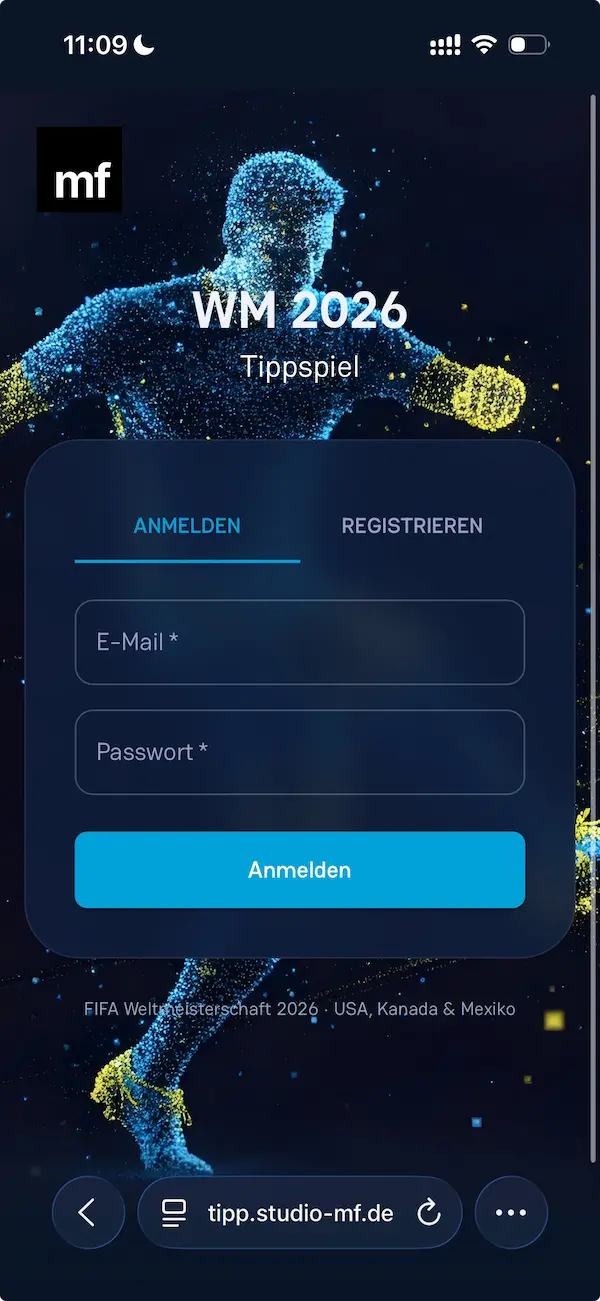
Some of my features – test the app yourself
If you want, you could look at the game yourself and give it a test (in both ways, report a bug here and feel free to participate, though it is quite late now – please be aware that the website is only available during daytimes in Munich, as I am following a low-tech approach which means at night the server is not running at all):
Due to data-policy restriction, you need to contact me to get access to the app and the appropriate link. Thank you.
Here are my features:
- Dashboard
- including fast access to next game
- your championship tipp, including own scoring mechanism
- next matches overview
- latest results, including scoring
- Ability to bet on final round (including updates, when you change scoring or live results modify the pairings)
- maybe some other tweaks I can't recall
What I Take Away from This
- It feels great to create something tangible — to prototype fast and surprise yourself with what’s possible.
- But here’s the big caveat: testing is more important than ever. After 20+ years working with developers, I know that any solution needs deep and detailed testing. And mostly those ticketings and stuff are a pain in the bud.
- Now, with AI-generated code or interfaces in the mix, testing routines have to be even more precise.
- Concepts such as spec-driven AI Development (such as BMAD, spec-kit or OpenSpec) combined with overall strategies for effectively using AI are necessary for a continuously improving iterative process.
- I would even go further and say, that finally testing and quality assurance in combination with modifing the result became far more important. For me it always felt like a pain in the but in the past, if people tested and then report issues to development with tickets... there has never been a good system to really fix things before and it also felt like rabbit holes, reporting an issue, getting a resolved by the developer, reporting a connected issue again, and so on... now, testing could fix the issues in a better way, as it feels more direct and being part of the process if being the tester (in this case recommended with a basic development skillset) is being able to change the result directly.